Elder Care Services: Enhancing Quality of Life for Seniors During Their Golden Years
Elderly care services are fundamental to enhancing the quality of life for elderly individuals in their advanced years. Such services include everything from at-home care to assisted living facilities. They focus on meeting unique requirements while supporting independence and dignity. Companionship along with specialized medical care also serve crucial functions in elevating emotional wellness. Knowing the various types of care available can help families make well-informed choices. What factors should families consider when deciding on the right option?
What Senior Care Service Options Are Available?
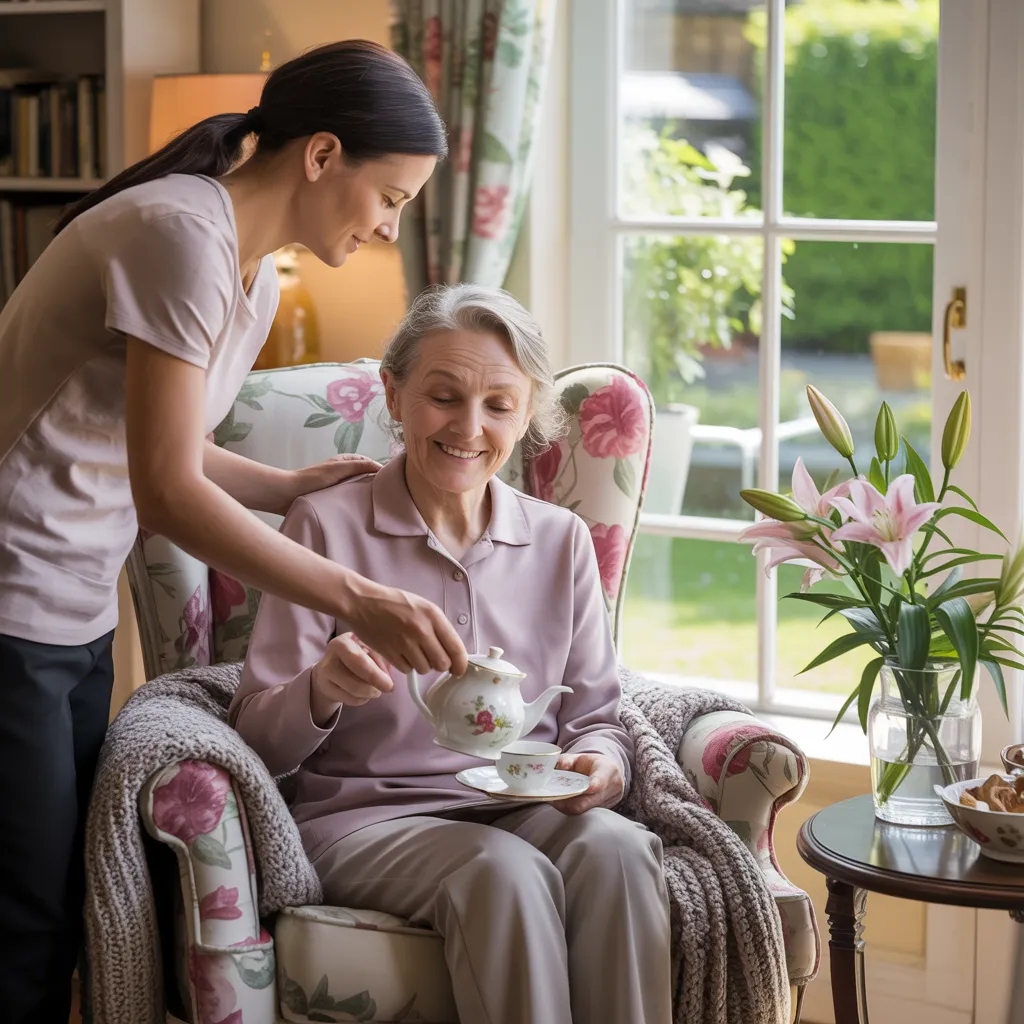
Elderly care solutions include a wide array of choices designed to address the different requirements of older adults. Such services may be widely divided into multiple forms, such as residential care, supportive living, skilled nursing facilities, and daytime care centers. In-home care provides personalized assistance with daily activities like bathing, food preparation, and medicine administration, permitting seniors to maintain their independence in known settings. Assisted living centers deliver a more communal living arrangement that integrates individual assistance with social engagement, fostering an environment supportive of engaged living. Skilled nursing facilities, or skilled nursing facilities, accommodate those demanding continuous medical supervision and recovery support. Adult day care programs deliver respite for family members while giving seniors interpersonal connection and guided events during the day. Every category of care aims to improve the wellbeing for seniors, making certain their unique needs and wishes are met competently and compassionately.
How Senior Care Fosters Independence and Dignity
While navigating through the challenges of aging, many senior citizens come to understand that quality senior care services play an essential role in maintaining both independence and dignity. These services are designed to empower seniors, enabling them to maintain control over their daily lives. Customized care plans enable tailored assistance that respects find the facts individual preferences, nurturing a sense of autonomy.
Senior care professionals give help with numerous daily activities, like bathing, dressing, and meal preparation, while prompting seniors to contribute as much as they are able. This approach not only enhances their skill sets but also boosts their confidence.
Moreover, senior care environments are arranged to foster mobility and safety, guaranteeing that seniors can enjoy activities they love without fear of injury. By blending assistance with encouragement, senior care services work to preserve dignity, allowing seniors to age gracefully while living life on their terms.
The Significance of Companionship in Elderly Care
Companionship serves a vital function in the total health and happiness of senior citizens, as interpersonal connections can greatly enhance their quality of life. A large number of older adults experience isolation due to health-related restrictions or the loss of friends and family, which can result in feelings of loneliness and depression. Engaging in regular companionship activities, such as discussions, shared meals, or recreational outings, promotes a sense of belonging and purpose.
Furthermore, companionship can boost cognitive function, inspiring seniors to stay mentally active and engaged. Through valuable interactions, caregivers can help detect and address emotional needs, thus promoting mental health. In addition, companionship offers emotional support during challenging times, offering comfort and reassurance.
Professional Healthcare in Elderly Care: Addressing Individual Health Demands
As people grow older, their health care needs become increasingly specialized, demanding personalized medical attention to address numerous chronic conditions and age-related difficulties. Specialized healthcare in senior care focuses on managing complex health issues such as diabetes, heart disease, and dementia, which often demand a multidisciplinary approach. Healthcare professionals, including geriatricians and nurses, collaborate to establish individualized care plans that consider the unique medical histories and preferences of each senior.
In addition, routine evaluations and preventative strategies are crucial for lessening potential health risks. The provision of specialized therapies, including occupational, physical, and speech therapy, strengthens movement capabilities and communication skills, supporting overall well-being. The incorporation of technology in monitoring health conditions permits timely interventions. By addressing these unique health needs, specialized medical care not only improves the quality of life for seniors but also supports self-sufficiency and dignity during their golden years.
Selecting the Best Senior Care Solution for Your Elderly Relative
Selecting the best senior care choice requires meticulous evaluation of the individual's particular needs, preferences, and circumstances. Families should first assess the degree of care necessary, which can span from help with routine activities to skilled nursing care. Comprehending the senior's medical condition and mobility restrictions is essential in this assessment.
After this, families should consider various care choices, such as home-based care, assisted living facilities, or nursing homes. Each alternative has its pros and cons, so it is crucial to take into account factors including cost, location, and the quality of services offered.
Moreover, families should engage the senior in discussions to respect their wishes and autonomy. Visiting potential facilities and meeting caregivers can give insight into the environment and care standards. Finally, the chosen option should emphasize the senior's comfort, safety, and overall well-being, guaranteeing a fulfilling quality of life during their golden years.
Common Questions
How Can Family Members Support Seniors Receiving Care Services?
Family members can assist seniors obtaining care services by upholding consistent communication, being involved in care planning, coming by often, supporting with daily tasks, championing their needs, and promoting social connections to improve overall well-being and happiness.
What Financial Considerations Come With Various Senior Care Alternatives?
Pricing for senior care services range widely. Home-based care generally costs between $20 to $50 per hour, assisted living facilities average $3,500 monthly, while nursing homes can exceed $10,000 monthly, depending on location and services provided.
Are There Any Government Programs Available to Help With Senior Care Expenses?
Yes, various government programs assist with senior care expenses, such as Medicaid, Medicare, and Supplemental Security Income. Such programs work to lessen economic hardships, confirming seniors receive needed care while overseeing their financial resources effectively.
How Can Elderly Individuals Stay Socially Connected While in Care?
Senior citizens can keep social bonds by engaging in group activities, using technology for virtual communication, joining community clubs, or encouraging family visits. Ongoing participation strengthens bonds, addressing loneliness and boosting emotional well-being while in care.
How Can You Tell When a Senior Needs Additional Care Help?
Indicators that a senior necessitates increased care support include noticeable weight loss, frequent falls, memory problems, pulling away from social activities, problems managing everyday tasks, and increased confusion or disorientation, signaling a need for better monitoring and assistance.